Published
- 6 min read
Where is Gold Found in the US? (Check Your Area)

Gold is found in at least 40 US states. Seriously. But here’s the thing most articles won’t tell you: it’s probably way closer to you than you think.
I spent the better part of a year going through USGS databases, historic mine records, and old prospecting reports. Not for fun (okay, mostly for fun), but because I kept asking the same question you’re probably asking right now: “Is there gold near ME?”
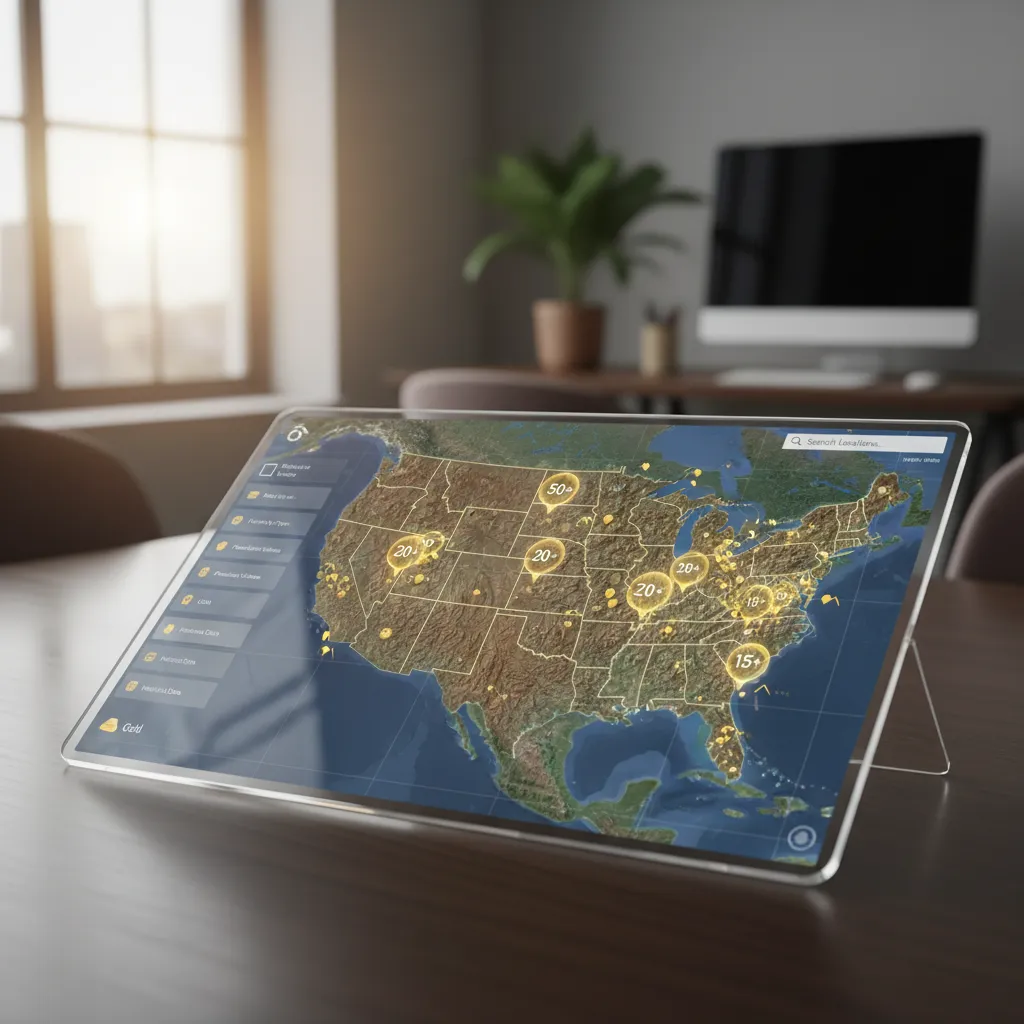
Instead of writing the world’s longest list of coordinates, I built a map. Check your area on GoldFever.app and you’ll see exactly where mines and deposits are near you.
The Heavy Hitters (States That Actually Produce)
Let me run through the states where I’ve actually spent time, pan in hand.
California - Where It All Started
The Mother Lode is real, and it’s still producing. I drove up to Coloma last spring - same spot where James Marshall found that first flake in 1848. Rented a cheap cabin, spent three days on the South Fork of the American River.
Walked away with about 2 grams of fine gold. Nothing life-changing, but enough to remind me why I’m obsessed with this stuff.
The Yuba and Feather Rivers are where serious prospectors go. Less crowds, better gold. If you’re in NorCal, you’re sitting on some of the best recreational prospecting in the country.
Nevada - The Real Gold State
Here’s something most people don’t know: Nevada produces more gold than any other state. Like, 75% of US gold production happens here.
The catch? Most of it is industrial-scale mining - microscopic gold in massive operations. Not exactly pan-friendly.
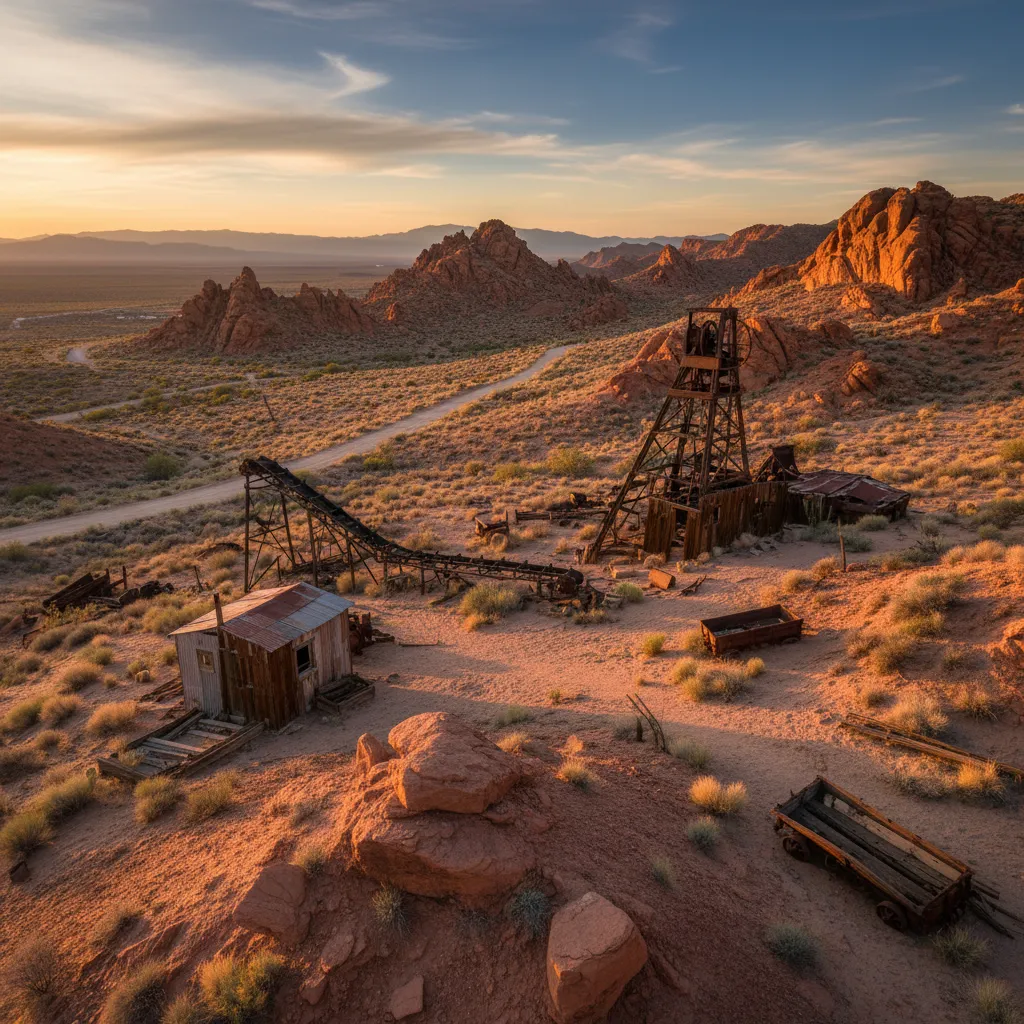
But the old districts around Virginia City and the Humboldt River? Still game. I haven’t personally hit Nevada as hard as I should, but it’s on my list for this summer.
Colorado - Mountain Gold
I love Colorado for prospecting because you can combine it with camping in some of the most beautiful terrain in the country.
Clear Creek near Idaho Springs is the spot. Hour from Denver, documented gold, and you can literally pan right off the highway pullouts. I’ve done it twice.
The San Juans in the southwest are wilder and less accessible. Better gold, but you’re working for it. Bring layers - weather changes fast at 10,000 feet.
Arizona - Year-Round Prospecting
When everywhere else is frozen, Arizona is calling.
Lynx Creek near Prescott is where I go when I need a winter prospecting fix. The Forest Service maintains a designated panning area. It’s not going to make you rich, but there’s consistent fine gold, and you can’t beat the weather in January.
The Hassayampa River below Wickenburg is another solid bet. Historic district, documented production, and easy access.
Alaska - The Dream Trip
I haven’t been yet. It’s the bucket list item.
Nome has beaches where you can legally pan gold right from the sand. No claim needed. The gold washes in from offshore sources. I’ve talked to guys who’ve done it and they all say the same thing: “Go in August. Bring layers. It’s worth it.”
The Interior around Fairbanks is more traditional placer mining. Harder to access, but the gold is there.
Georgia - East Coast Gold
Yeah, there’s gold east of the Mississippi.
Dahlonega, Georgia hosted America’s first real gold rush, twenty years before California. The Cherokee word “dahlonega” literally means gold.
I drove down from Nashville one weekend, hit the Chestatee River. Found colors on my first pan. Nothing crazy, but proof that you don’t need to fly to California to find gold.
The whole Appalachian belt from Georgia through the Carolinas has documented deposits. Check the map - you might be surprised what’s near you.
”But What About MY State?”
This is the question I get constantly. And honestly, it’s why I built the map.
I could sit here and list every single county in every single state that has reported gold deposits. But that would be a 10,000-word article that still wouldn’t answer your real question: “Where specifically should I go?”
That’s what GoldFever.app is for. I compiled USGS mine records, historic production data, and geological surveys into one interactive map. You can:
- See mines and deposits near any location
- Filter by what was actually produced there
- Find public land vs private claims
- Get coordinates you can actually use
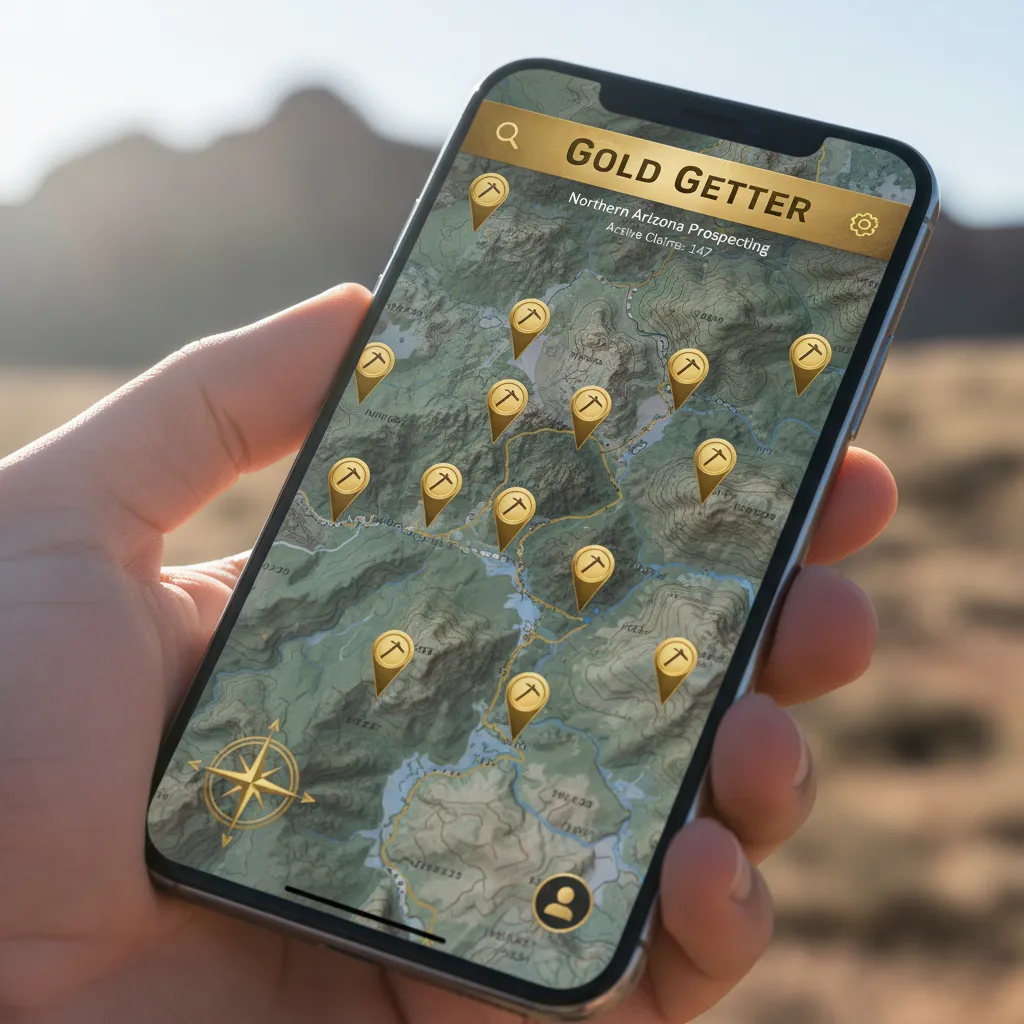
Seriously, just go look. Type in your zip code. You might find there’s a historic gold mine 20 miles from your house that you never knew existed.
I’ve had people email me shocked that there were documented deposits in places like Michigan, Maine, and even Texas. Not major production, but gold nonetheless.
What to Look For When You Find a Spot
Once you find a promising location on the map, here’s what I actually look for on the ground:
Bedrock cracks and crevices. Gold is heavy. It sinks until it can’t sink anymore. Bedrock is that stopping point. I’ve pulled nice pieces from cracks that looked like nothing special.
Inside bends of streams. Water slows down on the inside of a curve, drops heavy material. Classic placer trapping.
Behind large boulders. Same principle. Anything that slows water creates a potential gold trap.
Old tailings piles. Historic miners didn’t have our technology. I’ve found good gold in ground they already “worked.”
Color changes in gravel. A layer of black sand often indicates heavy mineral concentration. Where there’s black sand, there’s often gold.
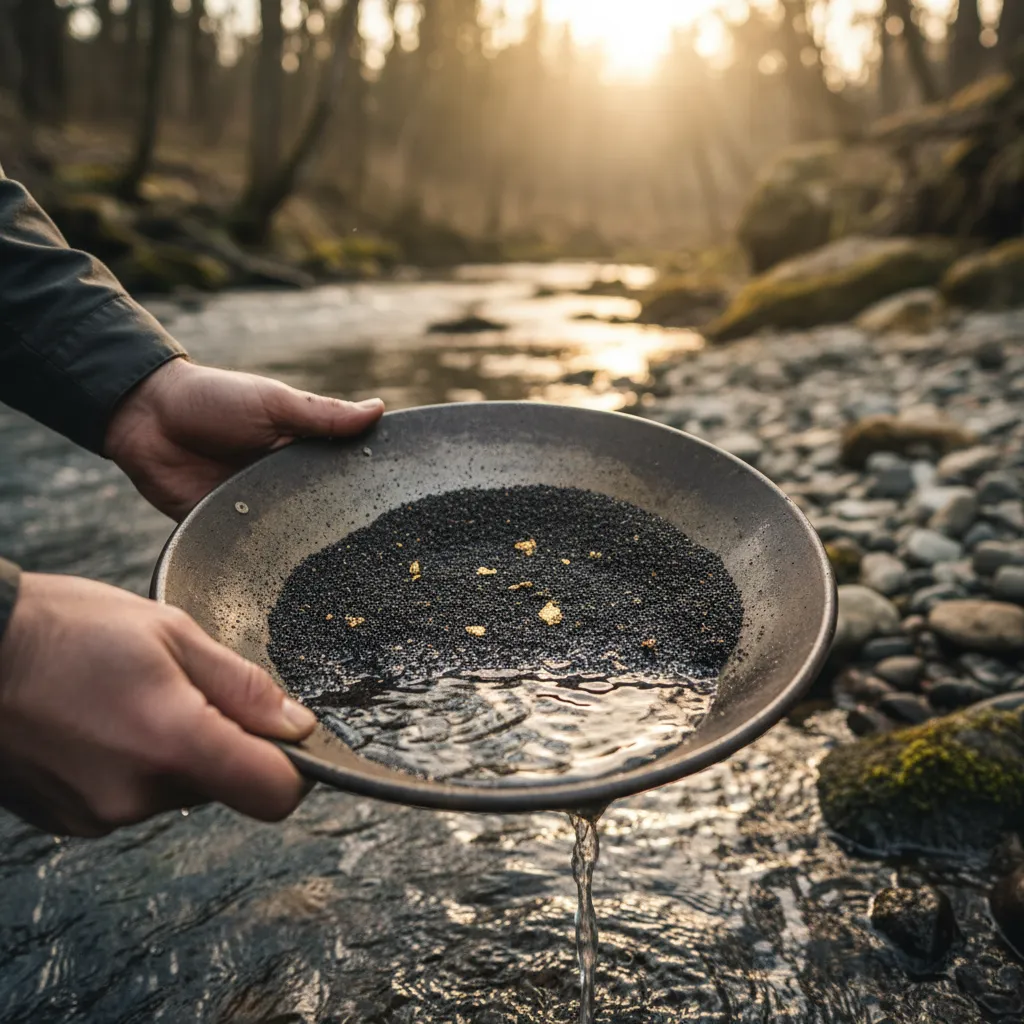
The geology matters, but honestly? Start where people have found gold before. That’s what the map is for. Don’t try to be a prospecting pioneer - go where the gold has already been proven to exist.
Stop Reading, Start Looking
I could keep writing. I could tell you about the specific creek bends I’ve worked, the exact coordinates of my best finds, the detailed geology of every gold belt in America.
But you’d still be sitting here reading instead of actually finding out if there’s gold near you.
Open the GoldFever.app mine map. Check your area. See what’s actually there.
The gold isn’t going anywhere. But the best spots get claimed. The accessible areas get worked. The guys who get out there first get the best ground.
I’ll see you out there.