Published
- 6 min read
Is There Still Gold in California? (Yes - Here's Where)
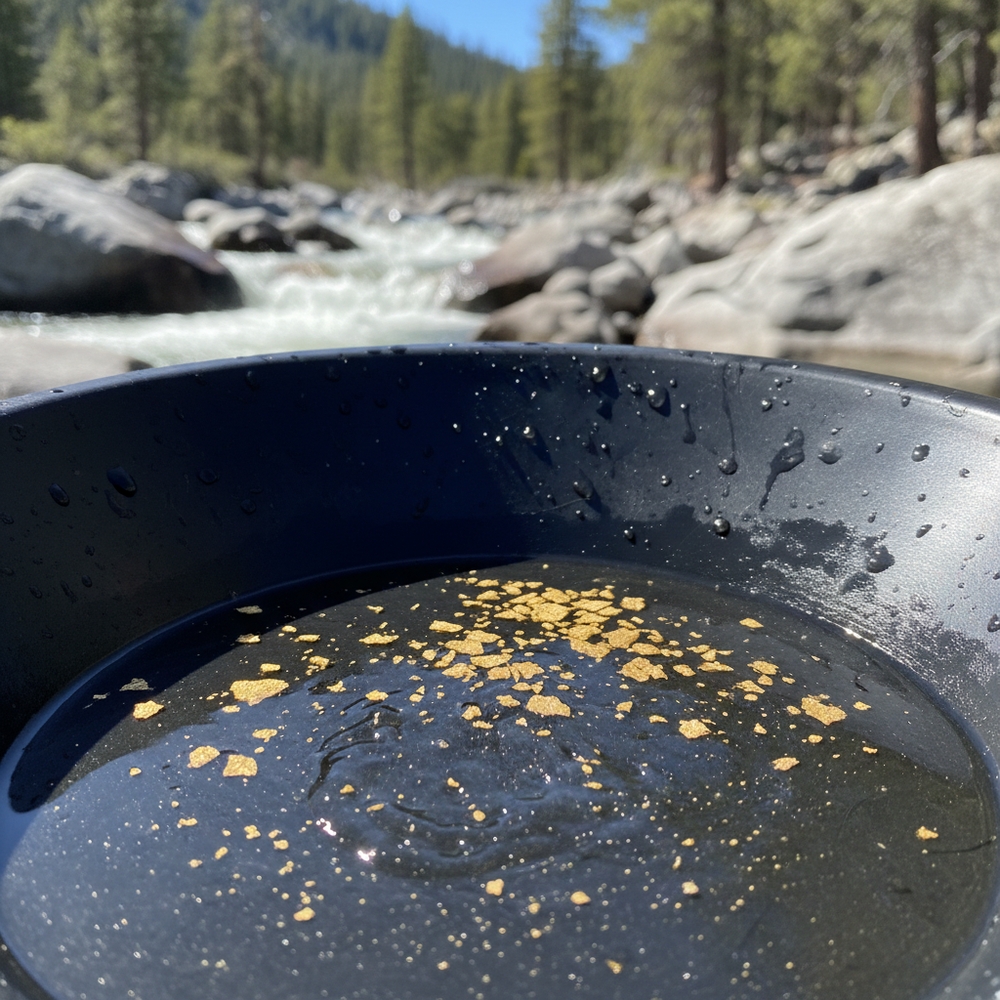
Yes.
There is absolutely still gold in California. Geologists estimate that somewhere between 80-90% of California’s gold has never been recovered. The forty-niners were efficient for their time, but they were working with pans, rockers, and sluice boxes. They grabbed the easy stuff and moved on.
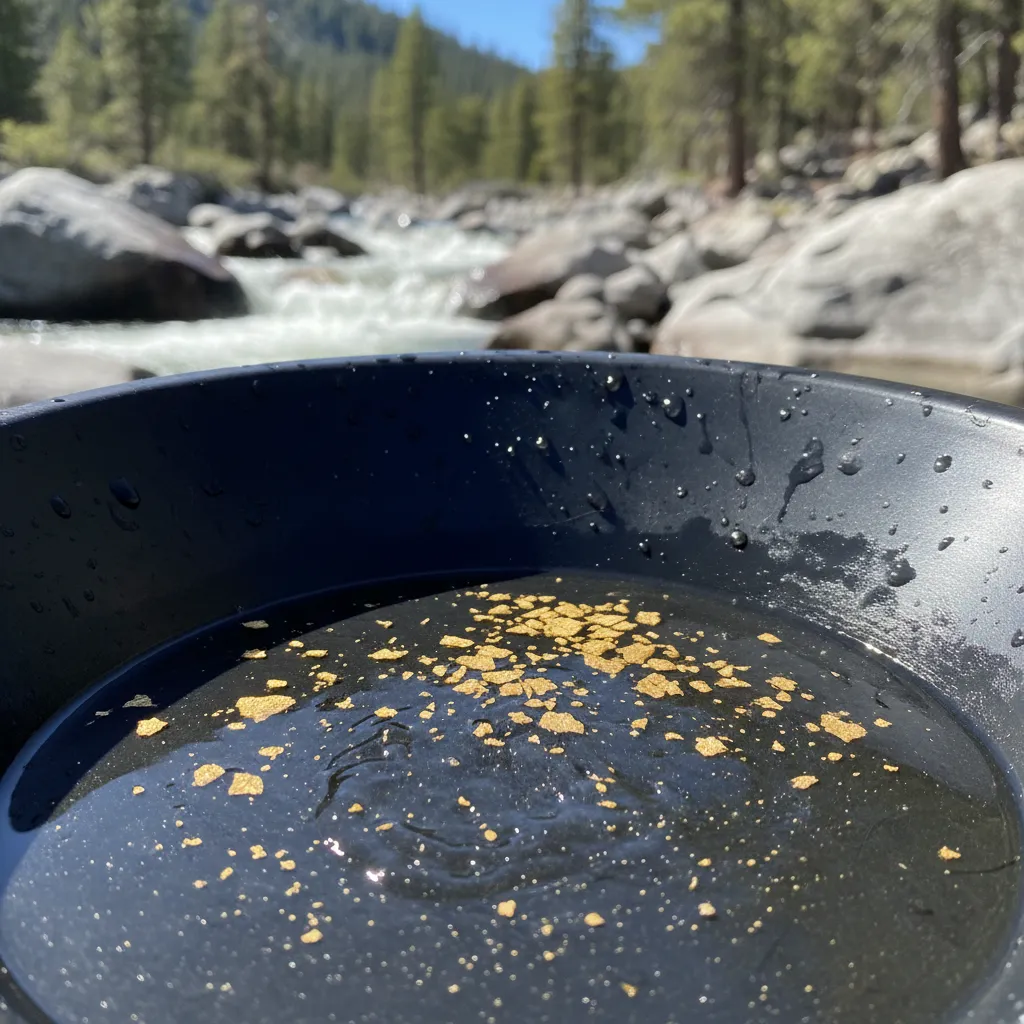
I’ve found gold in California myself. Not retirement money—flour gold, small flakes, the occasional picker that makes you grin like an idiot. But real gold, in creeks that have been worked for 170 years.
Why Most of the Gold Is Still There
Here’s what people don’t realize about the Gold Rush: those miners were in a hurry.
When a prospector in 1850 found a spot that was producing, he worked it until the easy gold ran out. Then he moved to the next creek. There was so much gold that nobody bothered digging to bedrock in half the places they worked.
And here’s the thing—the gold keeps coming. Every winter, snowmelt and spring floods move new gold down from the mountains. Spots that got cleaned out decades ago have fresh deposits. I know guys who work the same stretch of the American River every May and pull color every single time.
The gold isn’t going anywhere. It’s been eroding out of quartz veins in the Sierra Nevada for millions of years. The rivers are basically a slow-motion conveyor belt carrying gold from the high country down to where you can find it.
Where to Actually Find Gold in California
I’m going to give you specific spots, not just regions. These are places I’ve prospected or talked to people who have.
The South Fork American River
This is where it all started—Sutter’s Mill, the original discovery. The stretch between Lotus and Salmon Falls still produces. There’s BLM land with public access where you can pan without any permits.
I pulled my first California flakes from a creek feeding into the South Fork near Coloma. Nothing big, but enough to know the gold is there.
The Mokelumne River (Amador/Calaveras Counties)
The heart of the Mother Lode. The gravels along the Mokelumne have been producing for 170+ years and they’re still producing. Access can be tricky—you’ll want to check which stretches allow prospecting—but when you find a legal spot, the bedrock crevices hold gold.
Woods Creek near Jamestown
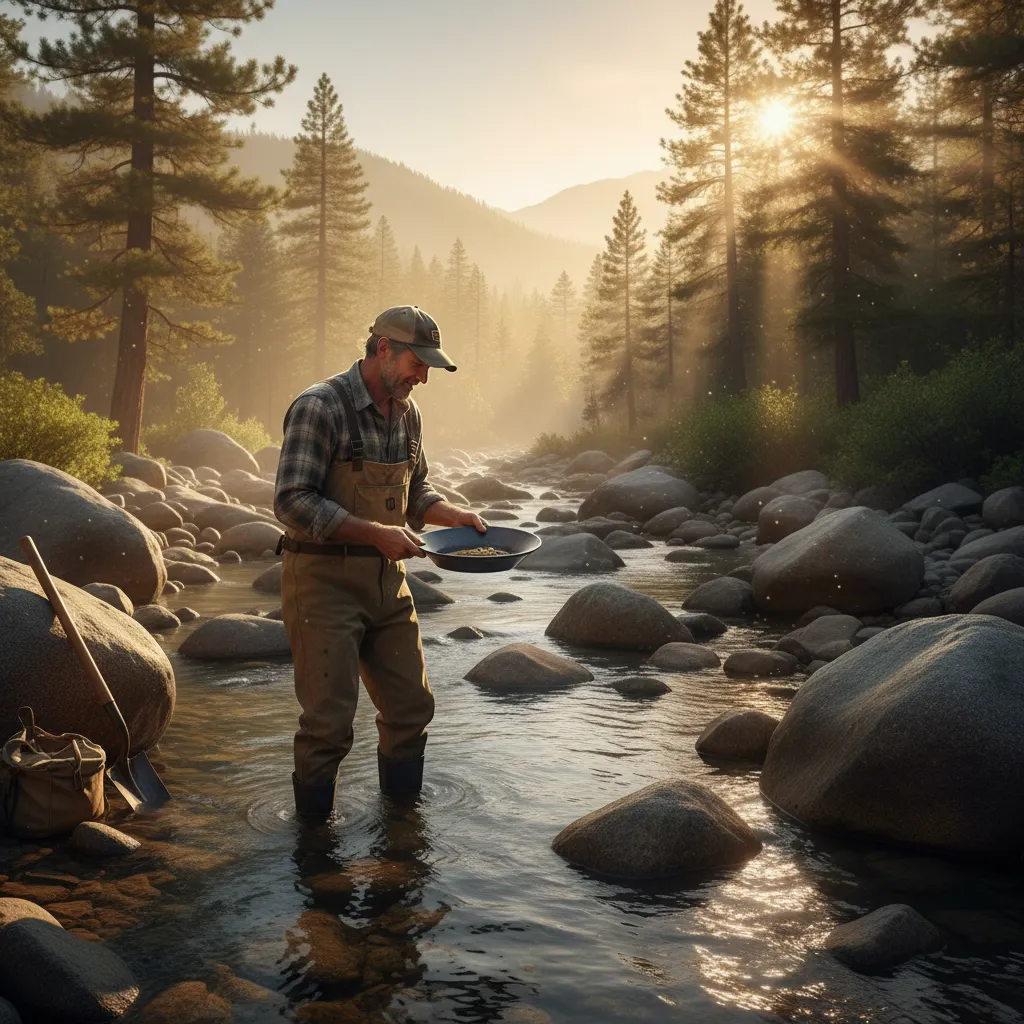
This creek is legendary. During the Rush, miners pulled chunks the size of their fists out of here. Those chunks are gone, but the fine gold keeps coming down. There’s public access in town, and the old tailings piles still have gold the original miners missed.
The Yuba River System
The North, Middle, and South Yuba all carry gold. The South Yuba River State Park gives you miles of river access for panning. The canyon is steep, so bring good shoes.
The hydraulic miners absolutely destroyed parts of this drainage in the 1870s and 1880s, moving millions of cubic yards of gravel. But they were after easy volume, not thorough extraction. There’s gold in what they left behind.
The Feather River near Oroville
The North Fork runs through canyon country that’s a pain to access, which means fewer people work it. If you’re willing to hike, you’ll find spots that haven’t seen a prospector in years.
Bear River and Auburn Ravine
Less famous, less crowded. These smaller tributaries of the American River carry gold from the same source rock as the main river. I’ve talked to old-timers who swear by Auburn Ravine in particular.
The Trinity River
If you want to get away from the crowds, head to the Trinity near Weaverville. It’s remote, the gold is fine, but there’s public land all along the river. This was a major gold producer in the 1850s.
The Dredging Ban: What It Means for You
Let’s talk about the elephant in the room.
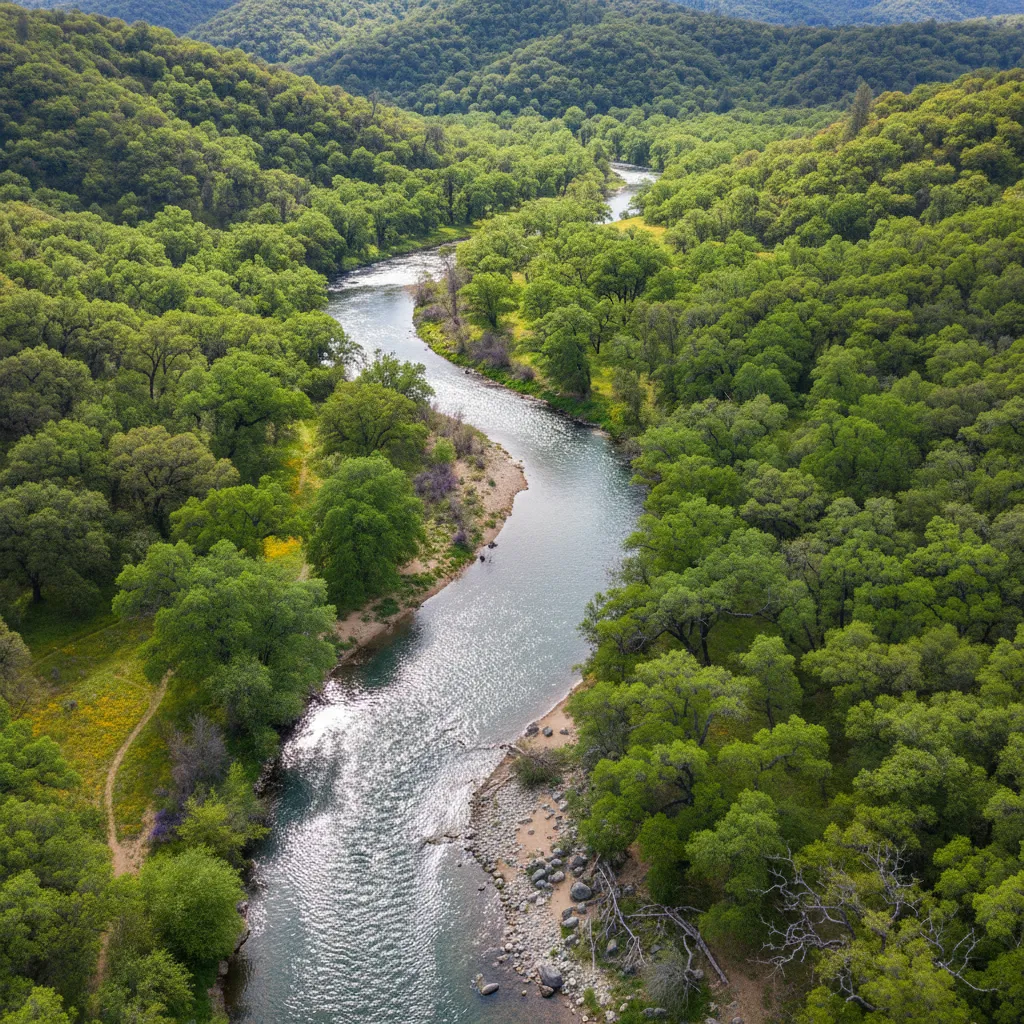
California banned suction dredging in 2009, and the ban is still in effect. You cannot use motorized suction equipment in any California waterway. Period.
This frustrates a lot of serious prospectors because dredges are the most effective way to move material and find gold. But that’s the law, and it’s not changing anytime soon.
Here’s what you CAN do:
- Gold panning - No permit needed on most public land
- Hand sluicing - Small sluice boxes without motorized pumps are fine
- Crevicing - Digging bedrock cracks with hand tools
- Highbanking - On dry land, away from the waterway (check local rules)
I’ll be honest: without dredging, you’re limited to working exposed material and shallow digging. You’ll find gold, but you won’t recover the deep deposits.
That said, hand prospecting still works. The miners in 1849 didn’t have dredges either, and they found a lot of gold. You just need patience and good technique.
What You’ll Realistically Find
Time for some honesty.
You’re probably not going to find a nugget. Most California gold today is flour gold (so fine it floats on water) and small flakes. After 170 years of prospecting, the big stuff has been picked over.
On a decent day at a good spot, you might find:
- Fine gold that adds up to a few specks visible in your vial
- A couple flakes the size of a pinhead
- Maybe—if you’re lucky—a small picker (something you can actually pick up with tweezers)
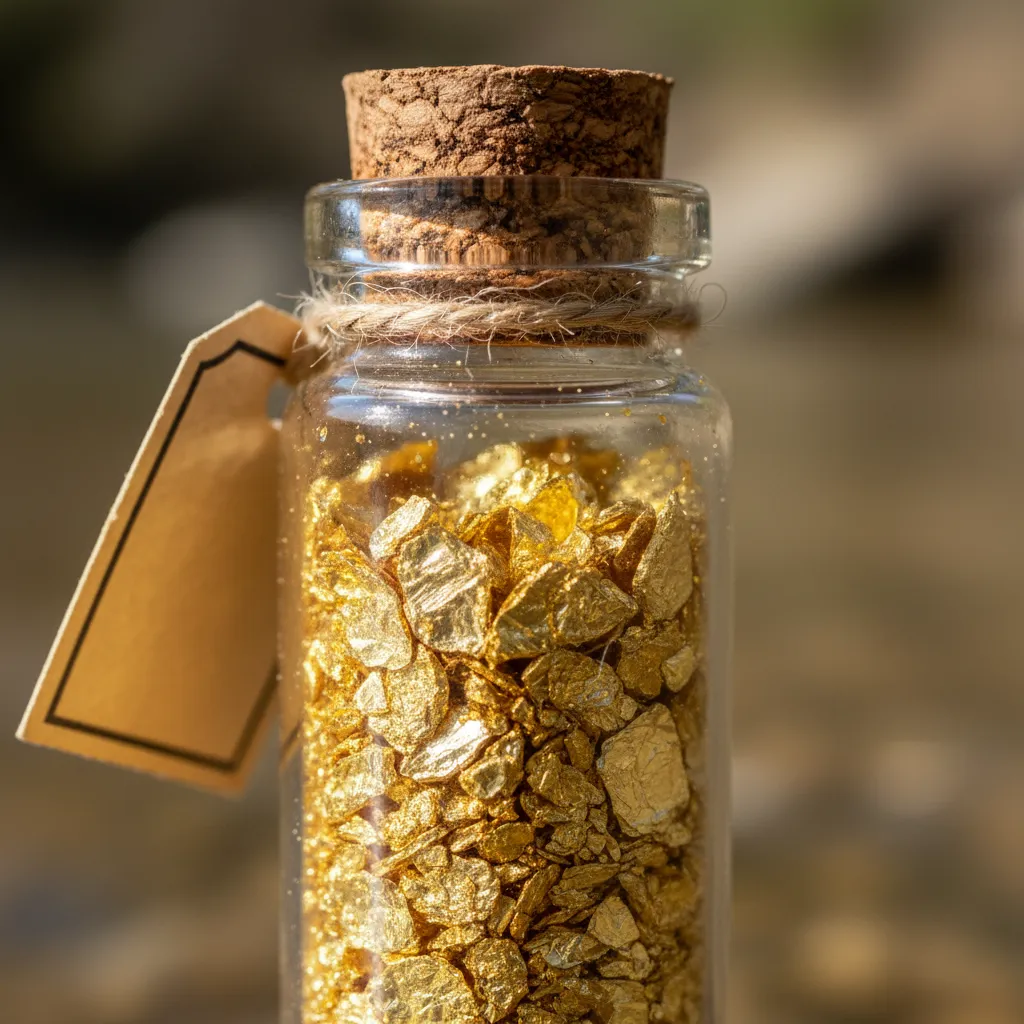
I’m not saying this to discourage you. I’m saying this so you set proper expectations.
The reward isn’t getting rich. The reward is standing in a creek where miners stood 170 years ago, working the same gravel, finding the same gold. There’s something real about that.
And occasionally, someone does find a nugget. Not often. But the possibility is always there.
Find Spots on the Map
I spent months compiling USGS data and historic mine records into an interactive map because I got tired of guessing where to look.
The GoldFever.app mine map shows thousands of historic and active mine locations across California. You can see where gold has actually been found, cross-reference with public land, and plan your trips with real data instead of hunches.
Historic mine locations aren’t guarantees, but they’re the best starting point. Gold doesn’t move far from its source. If there was a productive mine on a creek in 1860, there’s probably still gold in that creek today.
The Bottom Line
Yes, there’s still gold in California. Most of it was never found.
The dredging ban limits what you can recover, but hand prospecting still works. The gold keeps eroding down from the mountains every year. Creeks that have been worked for generations continue to produce.
You’re not going to get rich. You’ll find flour gold and flakes, maybe a picker if you’re lucky. But you’ll find real gold in the same Mother Lode that changed American history.
Grab a pan, check the map for spots, and go see for yourself. The gold is waiting.