Published
- 13 min read
Gold Claims for Sale: How to Buy One Without Getting Burned
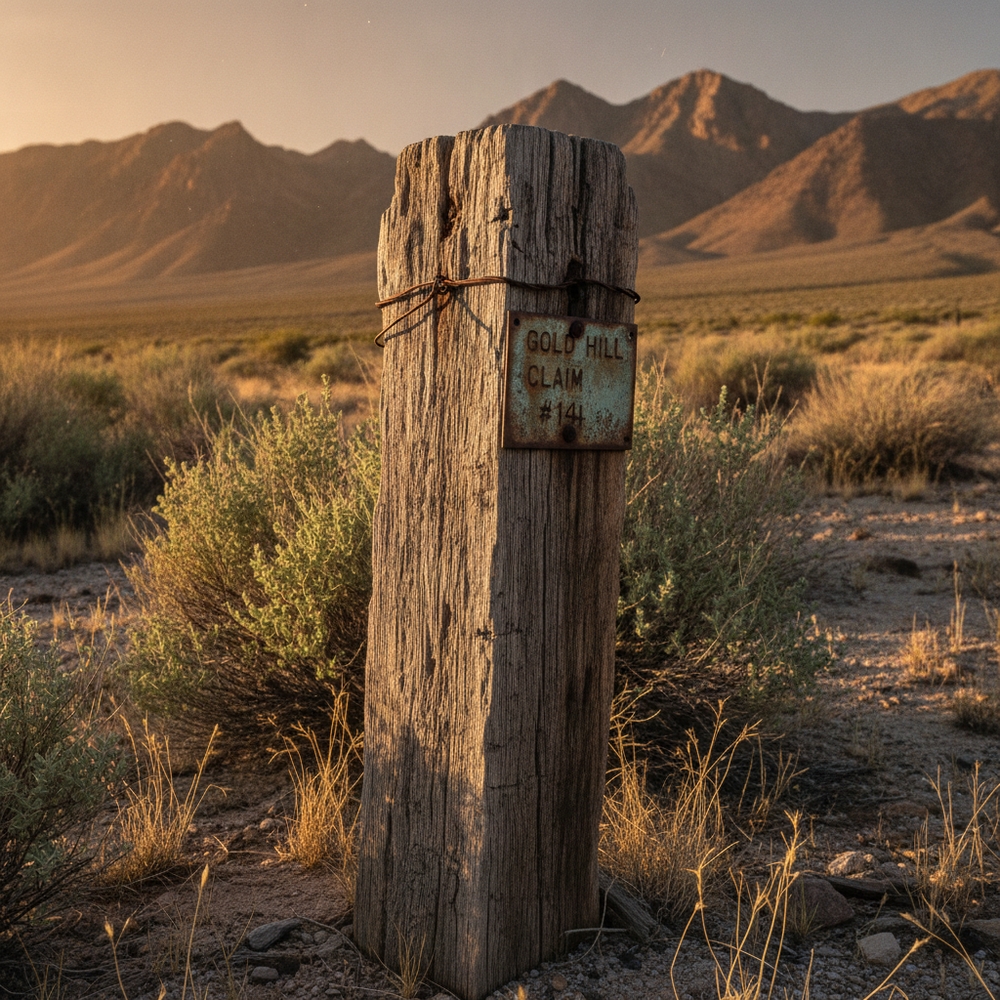
Browsing gold claims for sale is one of the fastest ways to lose money in prospecting — or one of the smartest shortcuts to good ground, depending entirely on how you vet the listing. Here’s the short version: a legitimate 20-acre unpatented placer claim typically sells for $2,000–$10,000, and every real claim has a BLM serial number you can verify for free in about five minutes. If a seller can’t or won’t give you that number, walk away.
I’ve spent the last couple of years building GoldFever.app’s mine map from USGS Mineral Resources Data System (MRDS) records — 74,805 documented gold-bearing sites — and in that time I’ve cross-referenced hundreds of claim listings against federal records. The gap between what sellers advertise and what the government database says is often shocking. This guide covers what a claim actually is, where the good ones concentrate, how to verify a listing yourself, realistic costs, and the scams that keep separating beginners from their savings.
Table of Contents
- What Are You Actually Buying?
- Patented vs Unpatented Mining Claims
- Lode vs Placer Claims
- Where Gold Claims Concentrate: The Data
- Where to Find Gold Claims for Sale
- How to Vet a Claim Before You Buy
- What Gold Claims Actually Cost
- Red Flags and Common Scams
- Buying vs Staking Your Own Claim
- Common Questions
What Are You Actually Buying?
When you see gold claims for sale, you’re almost never buying land. A mining claim is a right — established under the General Mining Law of 1872 — to extract valuable minerals from a parcel of federal public land. The seller is transferring their claim rights to you, usually via a quitclaim deed recorded with the county and then filed with the Bureau of Land Management (BLM).
That distinction matters enormously. With a standard unpatented claim you get the minerals, not the surface. You can prospect, dig, sluice, and run equipment reasonably necessary for mining. You generally cannot build a cabin, live there permanently, or keep the public from hiking across it.
The claim also comes with obligations. Miss the annual BLM maintenance fee deadline (September 1) and the claim is void — not suspended, not penalized, void. A surprising number of claims listed for sale are already dead for exactly this reason, and the seller may not even know it.
Patented vs Unpatented Mining Claims
This is the single most important distinction in any claim listing, and it’s the one sellers blur most often.
| Feature | Unpatented Claim | Patented Claim |
|---|---|---|
| What you own | Mineral rights only | Full private property (land + minerals) |
| Underlying land | Federal public land | Deeded to you, fee simple |
| Annual BLM fees | Yes (~$200/claim/year) | None |
| Can you build/live on it? | No (mining use only) | Yes, subject to county zoning |
| Property taxes | No | Yes |
| Typical price | $2,000–$15,000 | $50,000 to several million |
| Can it expire? | Yes, if fees lapse | No |
Unpatented claims are what you’ll see in 95%+ of listings. They’re affordable, but they’re a use-right that requires annual upkeep.
Patented mining claims for sale are genuine real estate — the government deeded the land to a claimant back when patents were still issued. Congress has had a moratorium on new mineral patents since 1994, so the supply is fixed, which is why patented claims command real-estate prices. If a listing under $20,000 says “patented,” be extremely skeptical and demand the deed and county parcel number.
Lode vs Placer Claims
The second axis is what kind of deposit the claim covers:
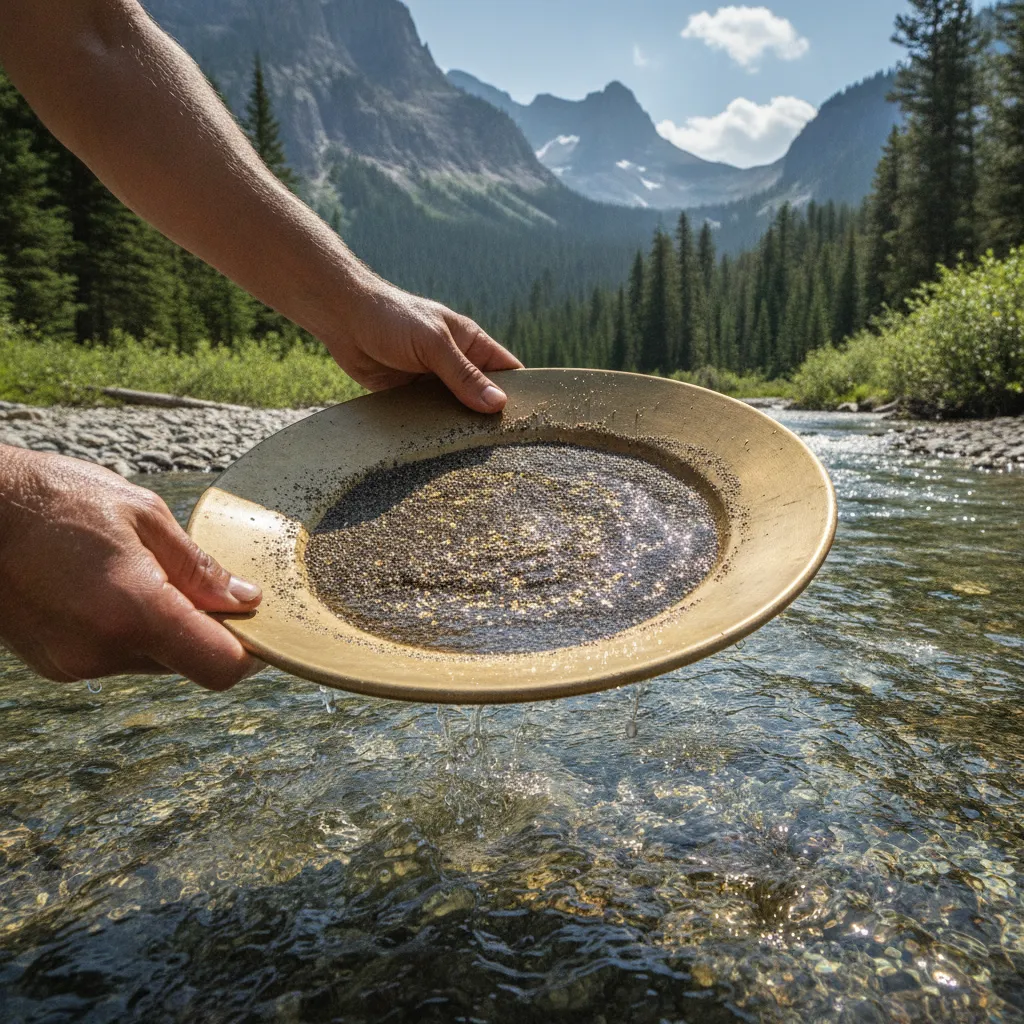
- Placer claims cover loose gold — flakes and nuggets eroded out of rock and concentrated in stream gravels and bench deposits. A standard placer claim is 20 acres per locator. If you plan to pan, sluice, or dredge, this is what you want. (New to the term? Start with our primer on what placer gold is and how it forms.)
- Lode claims cover gold still locked in a vein in solid rock, typically up to 600 × 1,500 feet. Extracting lode gold means hard-rock mining — drilling, blasting, crushing. Realistically, that’s beyond most individual buyers.
For a first purchase, most recreational and small-scale prospectors should be shopping for placer claims with documented gold on nearby stretches of the same drainage.
Where Gold Claims Concentrate: The Data
I pulled this from the same USGS MRDS dataset that powers our complete gold mines by state breakdown, cross-referenced with the BLM’s Mineral & Land Records System (MLRS), which tracks every active claim in the country. The pattern is unambiguous: claims cluster where historic production was heaviest.
The states with the most documented gold-bearing sites in the MRDS database:
| Rank | State | Documented Gold Sites | Active Producers |
|---|---|---|---|
| 1 | California | 23,872 | 1,444 |
| 2 | Alaska | 8,177 | 294 |
| 3 | Nevada | 7,682 | 401 |
| 4 | Colorado | 6,088 | 401 |
| 5 | Arizona | 5,051 | 687 |
| 6 | Oregon | 4,829 | 333 |
| 7 | Montana | 4,769 | 216 |
| 8 | Idaho | 4,468 | 166 |
| 9 | Washington | 3,439 | 78 |
| 10 | Utah | 1,542 | 121 |
On the BLM side, roughly 450,000 mining claims are active nationwide, and Nevada alone accounts for around 40% of them — though many Nevada claims target industrial-scale lode deposits, not the placer ground an individual buyer wants. For small-scale placer claims, the healthiest resale markets I see are in:
- The California Motherlode counties — El Dorado, Placer, Nevada, Tuolumne, Calaveras. Dense historic production, active clubs, liquid claim market.
- Southwestern Oregon — Josephine and Jackson counties along the Rogue and Applegate drainages.
- Central Idaho and western Montana — Boise Basin, Pierce, Alder Gulch country. Cheaper claims, fewer regulatory headaches than California.
- Arizona’s central belt — Yavapai and Maricopa counties, where dry-washing claims trade actively through clubs and brokers.
Before you shop in any of these areas, zoom into the drainage on our interactive mine map and look at the density of past producers upstream of the claim. A placer claim below a cluster of documented past producers is a fundamentally better bet than one on a drainage with no recorded production — no matter what the listing photos show.

Where to Find Gold Claims for Sale
Legitimate claims trade through a handful of channels, each with different risk profiles:
- Dedicated claim brokers and listing sites. Specialized brokers list claims with serial numbers, maps, and sometimes sampling data. Quality varies wildly — a broker listing is a starting point for your own verification, not a substitute for it.
- Prospecting clubs. Clubs like the GPAA and regional outfits often have members selling claims, and club claims give you legal ground to work while you shop. This is the lowest-risk channel for beginners because the community polices bad actors.
- eBay and Craigslist. Yes, real claims sell here. So do most of the scams covered below. Never buy from these platforms without completing every verification step yourself.
- County recorder records and word of mouth. Some of the best deals never hit a listing site. Claim owners who stop paying attention often sell cheap to whoever asks — check recent quitclaim filings in the county where you want ground.
- ”Gold mines for sale” real-estate listings. Patented claims and old mine properties show up on standard real-estate platforms. These are land transactions — use a title company, exactly as you would for a house.
If you’re searching “gold claims for sale near me,” temper expectations based on geography: east of the Rockies, claimable federal land is scarce. Prospectors in the Southeast typically join clubs or lease access instead — our guides to gold panning laws by state and the best gold prospecting locations in the US cover legal ground options in every region.
How to Vet a Claim Before You Buy
This is the section that will save you thousands. Every active claim in the United States has a BLM serial number in the Mineral & Land Records System (MLRS) — the public, free database that replaced the old LR2000 system in 2021. Here’s the exact process:
- Get the serial number from the seller. Format looks like
NV105857693or similar (state prefix + digits). A seller who won’t provide it has told you everything you need to know. - Look it up in MLRS at the BLM’s site (search “BLM MLRS public reports”). Check that the claim status is Active — not Closed, Void, or Forfeited.
- Verify the claimant name matches the seller. If the listed owner is someone else entirely, you’re either dealing with a middleman or a fraud.
- Check the maintenance fee history. Confirm the current assessment year’s fee (due September 1) was paid. A claim with fees due in six weeks should be priced accordingly.
- Pull the legal land description (township, range, section) from MLRS and plot it yourself. Confirm it matches the ground shown in the listing photos and pins. A depressing number of listings photograph one creek and sell a claim on another.
- Check for overlapping or senior claims in the same section. Overlaps happen, and the senior (earlier-located) claim wins.
- Confirm the land is open to mineral entry. Claims located inside withdrawn areas — national parks, wilderness, some wild and scenic river corridors — are invalid no matter what MLRS shows. The BLM state office can confirm withdrawal status.
- Visit the ground and sample it before closing. Ask the seller for permission to test-pan. A seller with real gold says yes. If you can’t identify what’s in your pan, read our guide on telling real gold from pyrite before you go.
I once cross-referenced a beautifully photographed $8,500 “proven producer” listing against MLRS and found the claim had been void for two assessment years. The seller was offering to quitclaim rights he no longer held, on ground that had already been re-staked by someone else. Total verification time: about ten minutes.
What Gold Claims Actually Cost
Budget for three layers of cost — purchase, transfer, and annual carrying costs:
Purchase price (unpatented, 20-acre placer):
| Claim quality | Typical price range |
|---|---|
| Unproven ground, marginal drainage | $500 – $2,000 |
| Decent drainage, documented gold nearby | $2,000 – $6,000 |
| Proven producer, sampling data, good access | $6,000 – $15,000 |
| Exceptional ground with water rights/equipment | $15,000 – $40,000+ |
Transfer costs: county recording fee for the quitclaim deed (usually $10–$50) plus the BLM transfer filing fee (currently in the $10–$30 range per claim).
Annual carrying costs: the BLM maintenance fee is about $200 per claim per year for lode claims and $200 per 20 acres for placer claims (the BLM adjusts fees periodically — check the current schedule at blm.gov). Small-scale miners holding ten or fewer claims can file a Small Miner Waiver instead, which swaps the fee for $100 of documented assessment work per claim plus county and BLM filings.
So a realistic all-in first year on a mid-range claim: roughly $3,000–$7,000. Compare that to a gold prospecting club membership at $100–$300 per year with access to dozens of claims, and you can see why the smart move for most beginners is club first, claim later.
Red Flags and Common Scams
After a few years of checking listings against federal records, these are the patterns I see repeatedly:
- No serial number in the listing. The number one tell. Legitimate sellers lead with it.
- ”Patented” claims at unpatented prices. A real patented claim is deeded land; nobody sells deeded land with mineral rights for $5,000.
- Selling the scenery, not the minerals. Gorgeous photos, vague geology. The claim covers minerals — if there’s no sampling data and no documented production upstream, you’re buying a picnic spot with paperwork.
- Salted ground. Gold added to sample pans or planted in the gravel for demonstrations. Insist on sampling yourself, at spots you choose.
- Dead claims sold as active. Fees lapsed, claim void, seller quitclaims rights that no longer exist. Verification step 4 catches this every time.
- One claim sold to multiple buyers. Quitclaim deeds carry no warranty — the same worthless paper can be signed for several victims. Recording promptly at the county and filing with BLM protects you.
- ”Includes the cabin/buildings.” Structures on unpatented claims usually belong to the federal government or are outright illegal occupancy. You’re not buying a cabin; you may be buying a demolition liability. The same caution applies to old workings — see our guide on abandoned gold mines for why standing mine structures are hazards, not amenities.
- Pressure and scarcity tactics. “Three other buyers looking at it this weekend.” Real claims sit on the market for months. Anyone rushing you past verification is doing it for a reason.
Buying vs Staking Your Own Claim
Here’s the alternative nobody selling claims wants you to think about: you can stake open ground yourself for under $250 in fees.
If ground on federal land isn’t already claimed and isn’t withdrawn from mineral entry, you can locate your own claim: physically monument the corners, post a location notice, file with the county, and file with the BLM (location fee, processing fee, plus first-year maintenance — a bit over $200 total per claim at current rates).
Staking your own makes sense when you’ve done real research — MRDS records showing past production, MLRS showing the drainage isn’t blanketed with active claims — and you’ve sampled the ground yourself. The research workflow is exactly what our mine map was built for: find clusters of past producers, then check whether the ground below them is open.
Buying makes sense when the good drainages in your target area are already claimed (true in most famous districts), when the claim comes with verifiable sampling data, or when access, water rights, or equipment are included and priced fairly.
The honest math: sellers are charging you a premium for research and scarcity. Sometimes that premium is worth it — proven ground in a producing district saves you years of trial and error. But paying $8,000 for unproven ground you could have researched and staked yourself for $250 is the most common expensive mistake in this hobby.
Common Questions
Can you live on a gold claim you buy? Not on an unpatented claim. Occupancy is limited to what’s reasonably incident to actual mining, and the BLM actively evicts squatters. Only a patented claim (private land) allows residence, subject to county zoning.
Do you own the gold you find on your claim? Yes. On a valid claim, the locatable minerals — including every flake and nugget — are yours. That’s the entire point of the claim.
How long does a mining claim last? Indefinitely, as long as you pay the annual maintenance fee (or file a valid Small Miner Waiver) every year by September 1 and maintain county filings.
Are gold claims a good investment? As a mineral investment, rarely — small placer claims almost never produce more gold than they cost to work. Buy a claim for guaranteed legal access to ground you want to prospect, not as a retirement plan.
What’s the difference between a gold mine for sale and a gold claim for sale? “Gold mines for sale” usually means patented land or a permitted operation with infrastructure — real estate and business assets. A claim is just the mineral right. Confusing the two is how buyers overpay by an order of magnitude.
The Bottom Line on Gold Claims for Sale
Gold claims for sale are worth exactly what the federal record and the gravel say they’re worth — never what the listing says. Get the BLM serial number, verify status and ownership in MLRS for free, plot the legal description yourself, and sample the ground before money changes hands. Budget about $200 per year to keep the claim alive, and remember that staking open ground yourself costs a fraction of most asking prices.
Start your research where the gold actually is: browse the 74,805 documented gold sites on our interactive map, check the state-by-state mine data to pick a district, and if you’re not ready to buy, our guide to the best gold prospecting locations in the USA covers legal ground you can work today without owning anything.