Published
- 10 min read
Is There Still Gold in California? (Yes - Here's Where)
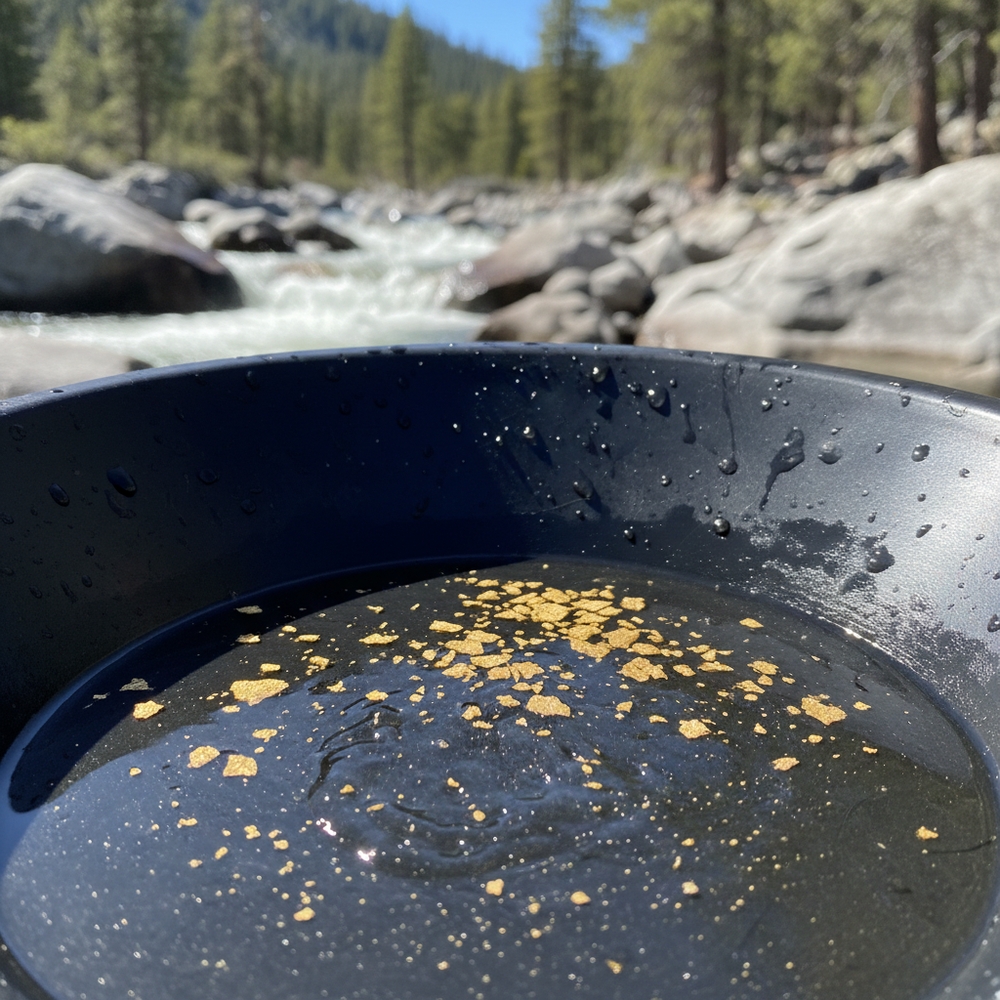
Yes.
There is absolutely still gold in California. Geologists estimate that somewhere between 80-90% of California’s gold has never been recovered, according to USGS Mineral Resources assessments of the Sierra Nevada region. The state has over 1,200 documented mine sites — more than any other state — and many of them still hold gold that was never fully extracted. The forty-niners were efficient for their time, but they were working with pans, rockers, and sluice boxes. They grabbed the easy stuff and moved on. They had to — there was always another creek, another gulch, another rumor of a bigger strike over the next ridge. Patience wasn’t really the Gold Rush ethos.
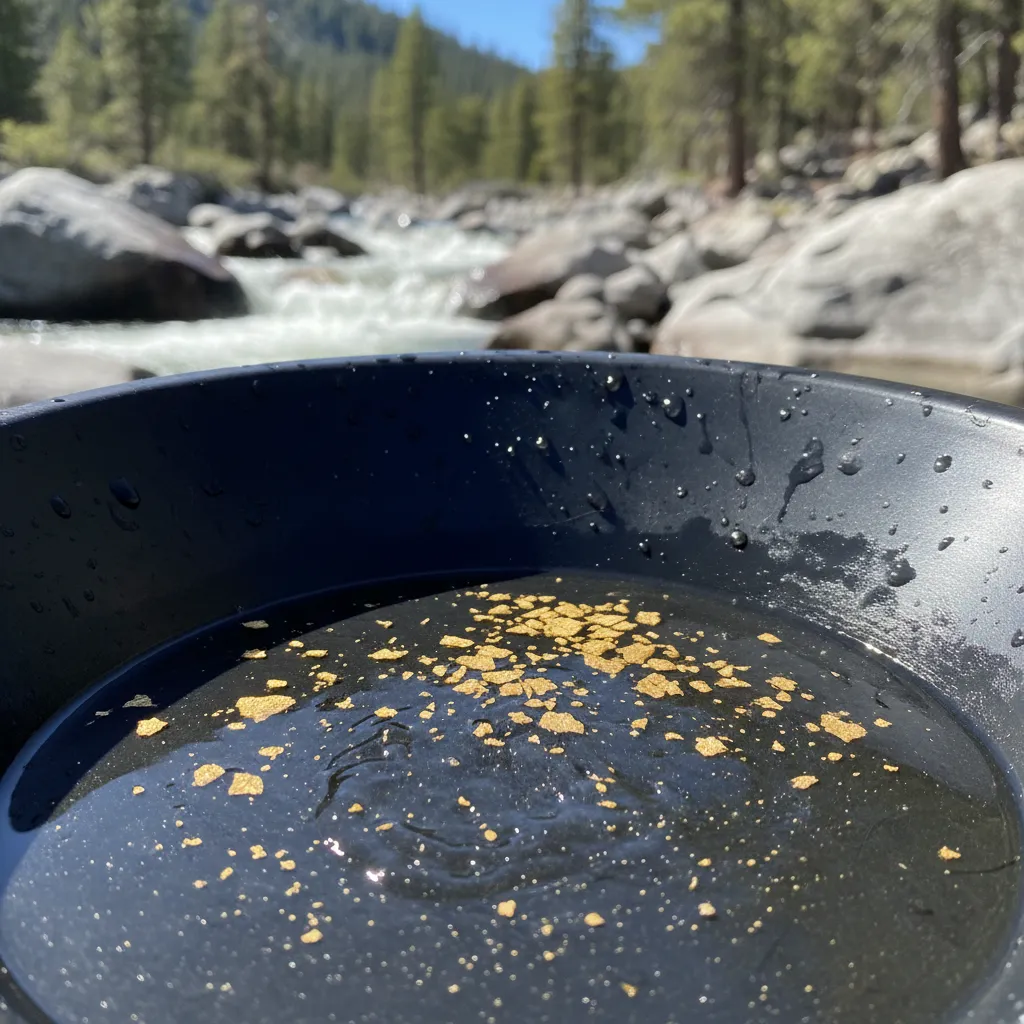
I’ve found gold in California myself. Not retirement money — flour gold, small flakes, the occasional picker that makes you grin like an idiot. But real placer gold, in creeks that have been worked for 170 years.
Why There’s Still Gold in California
When a prospector in 1850 found a producing spot, he worked it until the easy gold ran out, then moved to the next creek. Nobody bothered digging to bedrock in half the places they worked. Why would they? There was so much gold that thorough extraction wasn’t worth the effort when virgin ground was a day’s walk away.
And the gold keeps coming. Every winter, snowmelt and spring floods move new material down from the Sierra Nevada. Spots that got cleaned out decades ago have fresh deposits sitting on them by June. The mountains are a slow-motion conveyor belt that’s been running for millions of years and shows no sign of stopping.
The South Fork American River
This is where it all started — Sutter’s Mill, the original discovery, January 1848. I drove up to Coloma in March 2024 because I’d been talking about it for two years and my wife finally told me to either go or stop talking about it.
Rented a cabin outside town. One working burner on the stove, a shower that took ten minutes to get warm, and a view of oak-covered hills that almost made up for both. It had rained the night before and the water was muddy — the color of coffee with too much cream. I almost bailed. Glad I didn’t.
Fourth pan. My Garrett pan, the 14-inch green one that costs twelve bucks and that I’ve used for three years now because there’s no reason to replace something that works. Tiny line of yellow sitting right on the riffle. My hands were shaking from the cold water so bad I nearly dumped it trying to position my snuffer bottle. I sat there on the gravel bar for probably five minutes just staring at it.
Three days total, about 2 grams of fine gold. The stretch between Lotus and Salmon Falls has BLM land with public access where you can pan without permits. The inside bends have exposed bedrock with crevices that trap gold year after year.
The Yuba River — My Actual Favorite
I know the American River gets all the attention. Coloma, Sutter’s Mill, the history. I get it. But if I’m driving to California to pan gold, I’m going to the Yuba.
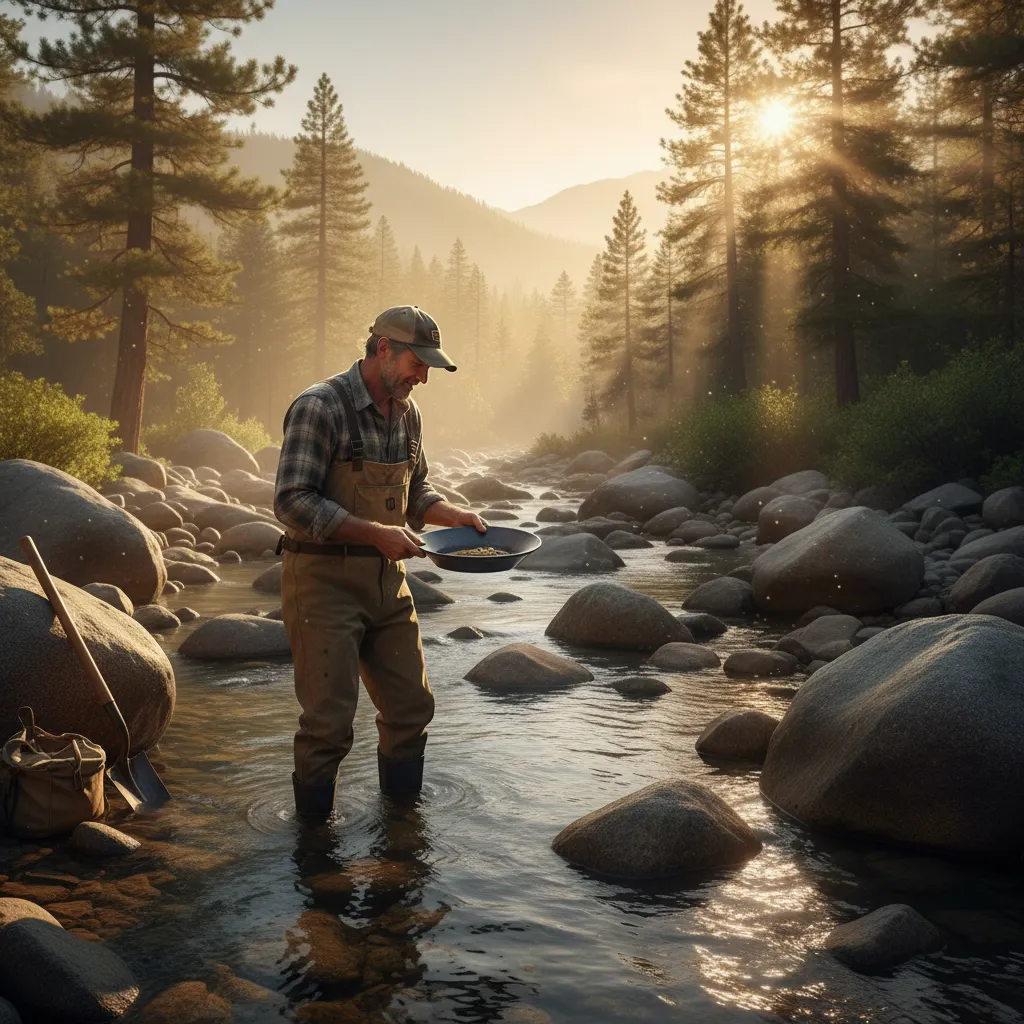
The North, Middle, and South Yuba all carry gold. The South Yuba River State Park gives you miles of river access. The canyons are steep — bring actual hiking boots, not the Crocs I wore on my first visit. My ankles are still annoyed about that decision and it’s been over a year. The trails down to the water are rocky and loose and you will eat it in flip-flops.
What I like about the Yuba is the gold is coarser than the American River. Not dramatically, but noticeably. The same river reading techniques that work anywhere — inside bends, behind boulders, bedrock crevices — work exceptionally well here because the canyons are less accessible, which means fewer people, which means less picked-over gravel. I hiked into a stretch of the South Yuba last fall and didn’t see another person for six hours. On the American River near Coloma I once counted fourteen people with pans on a Saturday morning. Fourteen. At one beach.
A guy named Tom I met at a Sacramento prospecting club meeting swears the North Yuba below Downieville is the best panning in the state. Tom’s been at this for thirty years and he has that particular kind of confidence that comes from actually knowing what you’re talking about, as opposed to the louder kind that comes from YouTube videos. I haven’t tested his specific claim yet but it’s high on my list for this summer.
The hydraulic miners destroyed parts of the Yuba drainage in the 1870s and 1880s, moving millions of cubic yards of gravel. But they were after volume, not thoroughness. There’s gold in what they left behind.
The Rest of the Mother Lode
I’ll go quicker on these because I’ve spent less time at them personally.
Woods Creek near Jamestown — legendary. Miners pulled chunks the size of their fists during the Rush. The fine gold keeps coming down and the old tailings piles still produce. Public access right in town.
The Mokelumne River in Amador and Calaveras Counties — heart of the Mother Lode. Bedrock crevices hold gold here. Access can be tricky so check which stretches allow prospecting before you drive out.
The Feather River near Oroville — the North Fork runs through canyon country that’s a pain to reach. Fewer people work it for that reason, which means more gold left for whoever makes the effort.
Bear River and Auburn Ravine — smaller tributaries of the American River. Less famous, less crowded. An old-timer at the Sacramento club told me Auburn Ravine in particular “still gives up color to anyone who bothers to look.”
The Trinity River near Weaverville — remote, fine gold, public land along the river. Major producer in the 1850s. I haven’t been but it keeps coming up in conversations with people who have.
Beyond the Mother Lode
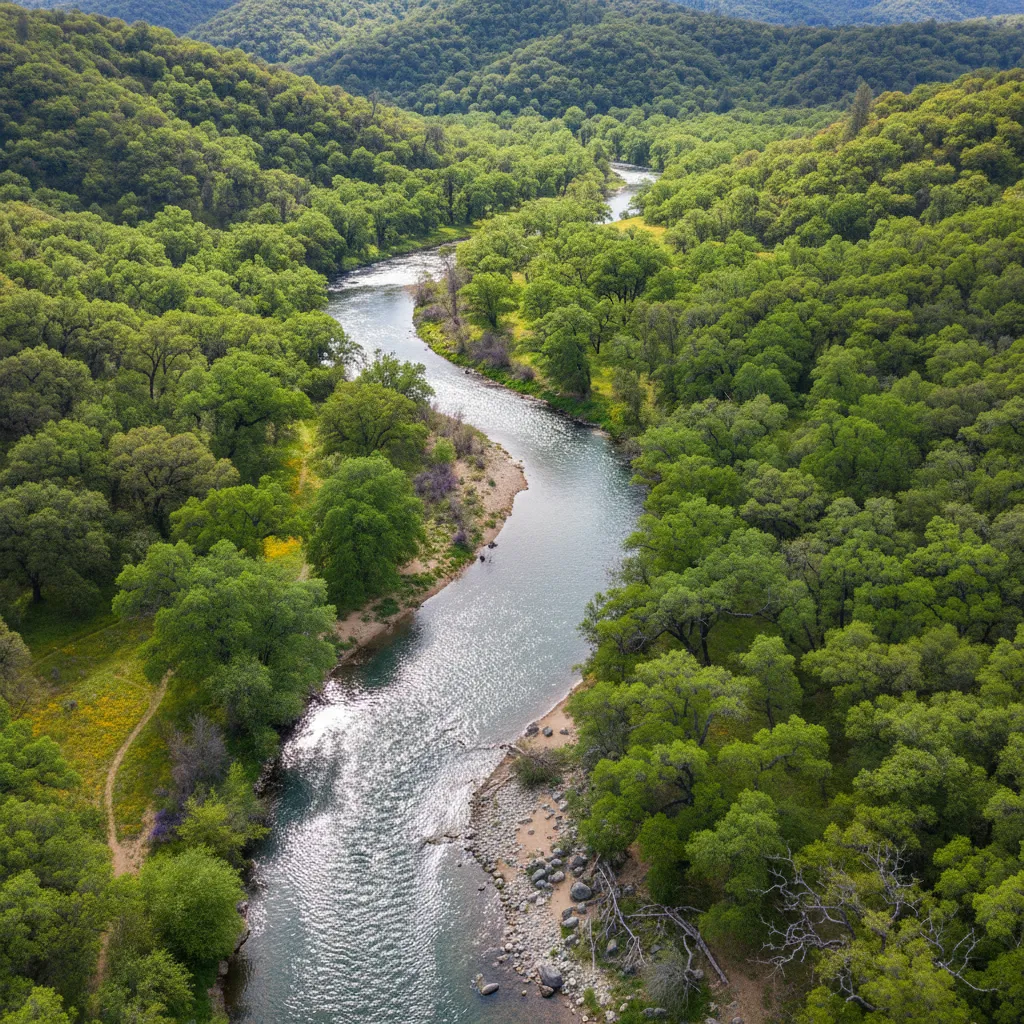
Most people hear “California gold” and think Sierra Nevada foothills. That’s fair — the Mother Lode belt is the state’s richest concentration. But California has gold spread across nearly the entire state. The only region with minimal gold is the Central Valley floor, buried under miles of agricultural sediment.
Klamath Mountains — The far northwest corner of California, where the Klamaths merge into the Cascades, is loaded with gold and platinum. The Trinity and Klamath Rivers were major producers during the Rush and the geology hasn’t changed. These mountains are remote, heavily forested, and lightly prospected compared to the Mother Lode. If you’re willing to drive past Redding, there’s opportunity.
Southern California — Most people don’t associate SoCal with gold, but it’s there. The San Gabriel Mountains, the desert regions east of Los Angeles, and areas around Julian near San Diego all have documented gold deposits. The early California placer mines around Santa Clarita predated the Gold Rush by decades — Mexican miners were working those drainages in the 1840s. Many of these abandoned mine sites are still accessible on public land.
Coastal Ranges — Gold shows up in the coastal mountains from Monterey to Mendocino, though it’s secondary to other minerals. Beach placers along the northern California coast have produced gold from black sand deposits. It’s not the highest-yield prospecting, but it’s a legitimate option if you’re already at the coast.
The geological explanation is straightforward: the Pacific plate has been subducting under the North American plate for millions of years, injecting gold into veins throughout the upper crust. The Sierra Nevada got the biggest concentration, but the process affected the entire western edge of the state. Erosion has been redistributing that gold ever since.
The Dredging Ban
California banned suction dredging in 2009 and the ban is still in effect. No motorized suction equipment in any California waterway. This frustrates serious prospectors because dredges are the most effective way to move material. But that’s the law.
What you CAN do: gold panning (no permit on most public land), hand sluicing (small sluice boxes without motorized pumps), crevicing with hand tools, and highbanking on dry land away from the waterway. There are plenty of gold recovery methods that don’t require a dredge — some of them are actually more effective for the kind of fine gold California produces today.
Without dredging you’re limited to exposed material and shallow digging. But good technique still works. The 1849 miners didn’t have dredges either and they did okay.
What You’ll Realistically Find
You’re probably not going to find a nugget. Most California gold today is flour gold and small flakes. After 170 years of prospecting, the big easy stuff has been picked over.
On a decent day at a good spot: fine gold that adds up to a few specks in your vial, a couple flakes the size of a pinhead, and maybe — if you’re lucky and patient — a small picker you can grab with tweezers.
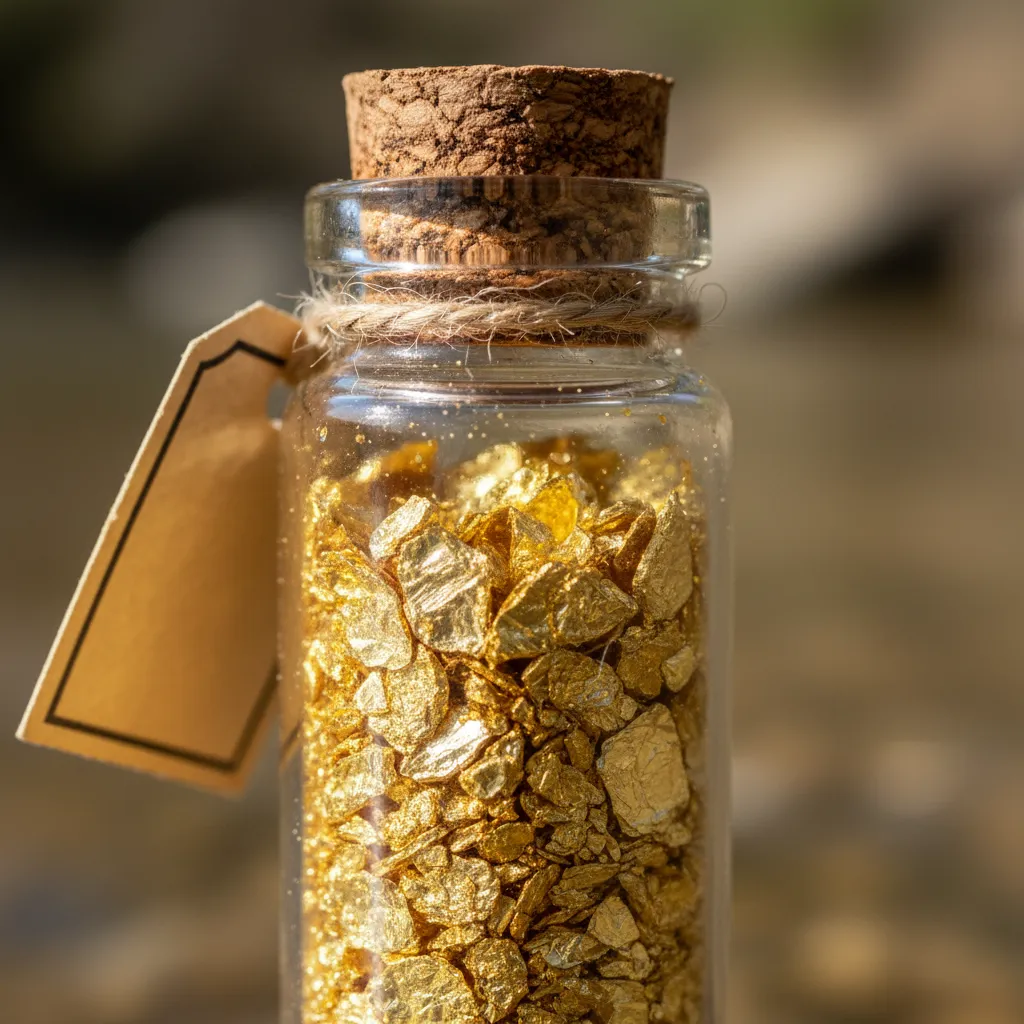
I’m not saying this to discourage you. I drove six hours and spent three days for 2 grams of gold that’s worth maybe $130 at spot price. If I factor in gas, the cabin, food, and the fishing license I bought and never used, I’m deeply in the red. But I wasn’t there for the economics. I was there because a creek where people have been finding gold for 170 years still had gold in it for me, and that matters in a way I can’t totally explain.
A prospector I met at Bear River near Colfax put it differently. He’d been working Placer County rivers since 2005 and claimed he made enough between construction jobs to buy a house in 2010. His estimate: a serious amateur can make $50 a day; experienced prospectors working known spots can do significantly more, especially when gold prices are high. Most of us fall somewhere below those numbers, but the gold is objectively there.
Best Time to Prospect in California
Heavy water years are gold years. Winter rain and spring snowmelt move earth and uncover previously buried deposits. After a wet winter, material that’s been sitting undisturbed gets tumbled downstream and redeposited in new locations. Creeks that seemed played out suddenly have fresh gold sitting in the riffles.
Here’s how the seasons break down for California prospecting:
- Spring (March-May) — High water from snowmelt. Great for scouting but too dangerous for most creeks. New gold is being deposited.
- Summer (June-August) — Water drops and warms up. Prime time for the Yuba and higher-elevation rivers. Expect company at popular spots.
- Fall (September-November) — The sweet spot. River levels are lowest, exposing gravel bars and bedrock that’s submerged the rest of the year. You can reach spots in September that were under three feet of whitewater in May.
- Winter (December-February) — Rain events move gold but conditions are harsh. Best for desert prospecting in Southern California where dry washes get occasional flow.
Getting Started
If you’ve never panned before, California is one of the best places in the country to learn. The combination of public land access, abundant gold, and established prospecting clubs makes it beginner-friendly. Grab a basic panning setup, drive to any of the rivers listed above, and start. You can also try metal detecting for gold in the desert regions of Southern California where nuggets are occasionally found in dry washes.
California’s just one of many gold-producing states. If you’re closer to the Rockies, check out my Colorado spots. And if you want to see where mines and deposits are near any location, the map has over 75,000 sites plotted from USGS data.